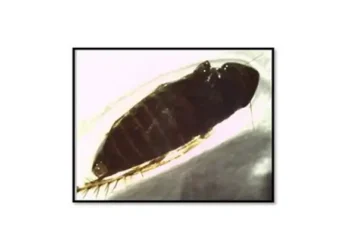
U.S. Customs and Border Protection agriculture specialists intercepted remains of the khapra beetle, widely regarded as the world’s most destructive grain pest, at Detroit Metropolitan Airport in April.
The discovery occurred during a secondary inspection of undeclared seeds carried by a traveler arriving from Lebanon, prompting seizure and laboratory confirmation due to the pest’s quarantine significance.
U.S. Customs and Border Protection (CBP) officials say the interception underscores ongoing biosecurity risks linked to undeclared agricultural items entering the United States. The incident involved collaboration between CBP agriculture specialists and the U.S. Department of Agriculture (USDA), which confirmed the specimen through microscopic analysis.
Detroit Airport Interception
Inspection and Identification Process
CBP reported that on April 18, a traveler arriving from Lebanon was referred to secondary inspection at Detroit Metropolitan Airport for an agriculture examination. During the inspection, CBP agriculture specialists discovered a small bag of undeclared seeds intended for growing purposes.
Additionally, CBP seized the seeds after issuing the traveler a warning for failing to declare agricultural items, an action permitted under CBP enforcement authorities.
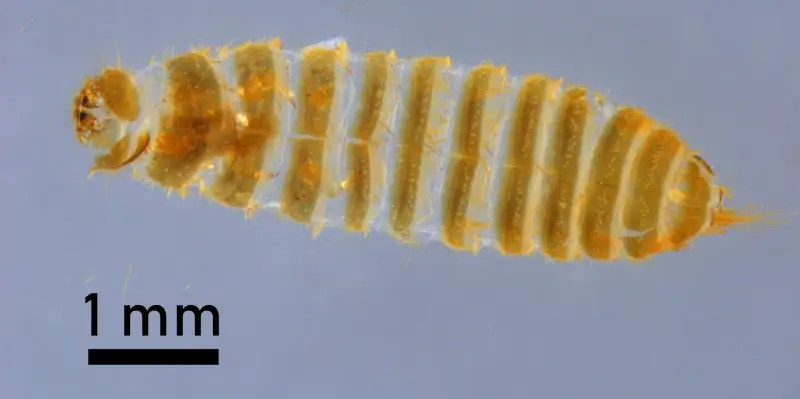
Upon closer examination, specialists found a single cast larval skin, which USDA officials later identified as khapra beetle following micro-dissection and laboratory review.
Why Khapra Beetle Matters
Economic and Agricultural Risk
According to USDA, khapra beetle is considered quarantine-significant whether found alive or dead due to its capacity to devastate stored grain systems. USDA data show that infestations can cause weight losses of 5–30% in typical cases and up to 70% in severe, unmanaged situations, directly affecting wheat, rice, maize, and other staple grains.
Meanwhile, USDA assessments indicate that establishment of the pest in the United States could threaten a grain export market valued at more than $10 billion annually.
While the insect does not attack standing field crops, damage to stored commodities and seed viability can translate into substantial economic disruption across domestic and export supply chains.
| Indicator | Recent Movement | Context |
|---|---|---|
| Khapra beetle interception | Detected at Detroit airport | CBP and USDA confirmed remains in undeclared seeds during April inspection |
| Stored grain loss risk | 5–30% typical, up to 70% | USDA estimates based on historical infestations and eradication campaigns |
| Export market exposure | Over $10 billion annually | USDA notes establishment could trigger trade restrictions from partners |
Traveler Declarations and Biosecurity
Enforcement and Public Compliance
CBP officials emphasize that many khapra beetle interceptions historically occur in undeclared luggage, mail, or small cargo shipments. CBP and USDA records show hundreds of border interceptions over the years, with spikes linked to increased global travel and trade from regions where the pest is established.
- CBP guidance: Director of Field Operations Marty C. Raybon stated that honest declaration allows CBP personnel to examine items and prevent harmful pests from entering the U.S.
- USDA biosecurity posture: USDA treats even isolated detections as high-risk incidents due to the pest’s ability to survive long periods without food and resist eradication.
Food for Thought
The Detroit interception illustrates how routine inspections and interagency coordination play a central role in protecting U.S. agriculture from invasive threats. While no domestic infestation was identified, officials stress that continued traveler compliance and enforcement vigilance remain essential to safeguarding food systems and export markets.
Sources: U.S. Customs and Border Protection, U.S. Department of Agriculture.
Prepared by Ivan Alexander Golden, Founder of THX News, an independent news organization delivering timely insights from global official sources.
Combines AI-analyzed research with human-edited accuracy and context.