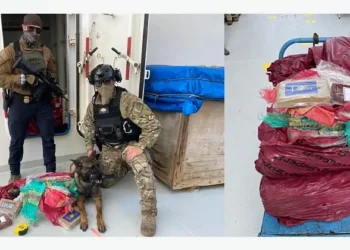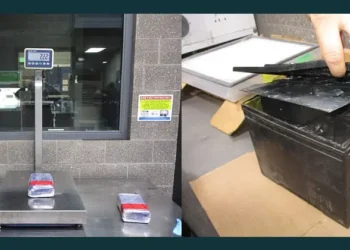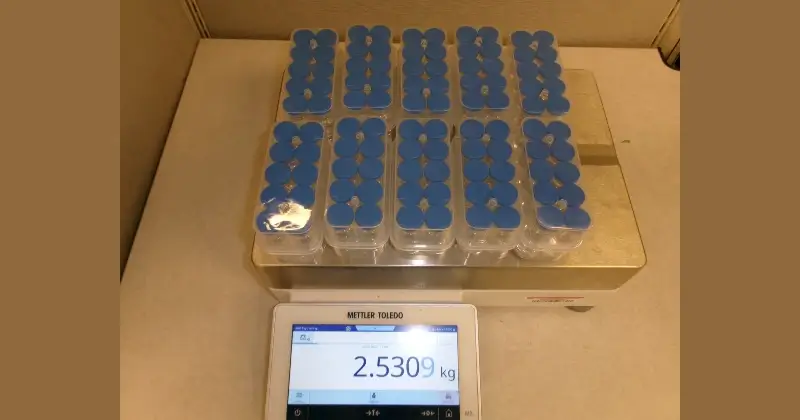
U.S. Customs and Border Protection officers in Chicago seized 351 air cargo shipments containing unapproved human growth hormones and steroids during March 2026, totaling 455 pounds and valued at over $3.2 million.
The agency reported the shipments, largely originating from China and destined for U.S. cities, were intercepted to prevent distribution of unregulated substances posing public health risks.
The seizures form part of ongoing U.S. Customs and Border Protection (CBP) enforcement operations targeting illicit imports entering through major logistics hubs. The Chicago Field Office activity highlights both the scale of attempted distribution and the regulatory framework governing controlled and unapproved substances in the United States.
Chicago CBP Seizure Overview
Summary of enforcement activity during March including volume, weight, and value of seized shipments.
U.S. Customs and Border Protection reported that officers in Chicago intercepted 351 shipments during March, totaling 455 pounds of unapproved substances. Meanwhile, CBP estimated the value of these shipments at more than $3.2 million, reflecting the commercial scale of the operation.
The agency identified China as the primary origin, with packages destined for multiple U.S. cities, demonstrating a coordinated import pattern targeting domestic distribution.
| Indicator | Recent Movement | Context |
|---|---|---|
| Shipments seized | 351 shipments in March 2026 | U.S. Customs and Border Protection Chicago Field Office reported interceptions of unapproved substances in air cargo |
| Total weight | 455 pounds | CBP data indicates significant volume of illicit goods entering via international logistics channels |
| Estimated value | Over $3.2 million | CBP valuation reflects potential retail distribution scale of seized hormones and steroids |
| Primary origin | China | CBP identified shipment origin patterns linked to international supply routes targeting U.S. consumers |
Smuggling Method Identified
Explanation of how shipments were concealed within master cartons and distributed domestically.
CBP reported that the shipments were concealed within large master cartons containing multiple smaller, unmanifested parcels. Additionally, these smaller packages were pre-labeled with domestic shipping information, enabling rapid redistribution through U.S. parcel carriers after entry. This method indicates an attempt to bypass customs declaration requirements while embedding illicit goods directly into domestic logistics networks.
The use of pre-labeled packages demonstrates a structured smuggling approach, where goods transition from international freight into domestic delivery systems without further inspection.
Consequently, CBP’s interception at the air cargo stage prevented downstream circulation, reducing the likelihood of widespread consumer exposure to unregulated substances.
Health Risks of HGH Abuse
Overview of medical risks associated with unregulated human growth hormone use.
CBP stated that human growth hormone (HGH) has legitimate medical uses but must be prescribed by a licensed healthcare professional under U.S. regulatory standards. However, unapproved HGH products lack verified ingredients and regulatory certification, increasing the risk of adverse health outcomes. The agency highlighted that misuse of such substances can result in significant medical complications affecting multiple body systems.
- Physical health risks: CBP reported potential effects including irreversible overgrowth of hands and feet, organ enlargement, and joint pain
- Cardiovascular impact: CBP identified risks such as high blood pressure and heart failure associated with misuse
- Chronic conditions: CBP noted increased likelihood of diabetes and elevated cancer risk linked to unregulated hormone exposure
Risks of Anabolic Steroid Use
Explanation of steroid classification and associated health impacts.
The U.S. Controlled Substances Act classifies anabolic steroids as Schedule III substances, placing them under federal regulatory control. CBP reported that these substances are frequently abused to enhance physical performance and appearance, despite associated health risks. This classification reflects their recognized medical use alongside a potential for abuse and dependency.
Additionally, CBP identified a range of health effects linked to steroid misuse, including mood instability and increased hostility.
The agency also cited elevated cholesterol levels and cardiovascular disease risks, alongside psychological dependence and permanent physical changes. These outcomes demonstrate the broader public health implications of illicit steroid distribution.
CBP Enforcement and Public Warning — Outline of CBP’s inspection role and official statements.
Stakeholder Comments — Statement from CBP official on enforcement and consumer risk.
“Customs and Border Protection officers examine arriving parcels and will continue to seize any illicit product violating our nation’s import laws,”
said Michael Pfeiffer, CBP’s senior officer at the Chicago Field Office.
“Consumers who purchase these products should stop this activity as it is dangerous. The ingredients are unverified and may not have the appropriate regulatory certification required for sale in the U.S. Do you want to put your health or your child’s health in jeopardy because you think you found a good deal?”
In Conclusion
U.S. Customs and Border Protection’s March seizures in Chicago demonstrate the scale and structure of illicit hormone import attempts, with 351 shipments intercepted before domestic distribution. The agency’s findings highlight both enforcement capabilities and ongoing risks associated with unregulated substances entering U.S. supply chains.
The reported health risks and regulatory violations underscore the importance of CBP’s inspection role, as well as the broader public health implications tied to illegal pharmaceutical imports.
Sources: U.S. Customs and Border Protection.
Prepared by Ivan Alexander Golden, Founder of THX News, an independent news organization delivering timely insights from global official sources.
Research combines AI-assisted analysis with human-edited accuracy and context.