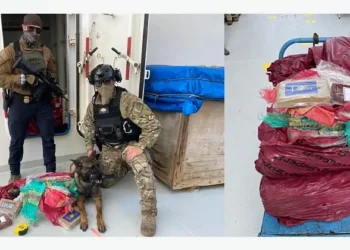
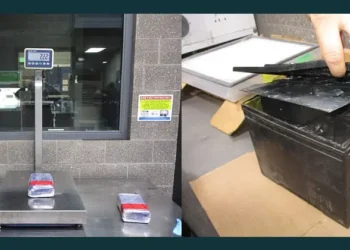
U.S. Customs and Border Protection officers seized counterfeit designer handbags, jewelry, and scarves worth over $300,000 at Pittsburgh International Airport after an air cargo shipment arrived from China. The agency says the seizure protects consumers and businesses from illegal goods that threaten safety, economic interests, and intellectual property rights.
U.S. Customs and Border Protection (CBP) routinely screens international cargo at ports of entry to intercept illicit goods, including counterfeit products that enter the United States through global supply chains. The Pittsburgh seizure underscores ongoing enforcement efforts as online marketplaces expand access to foreign sellers.
Details of the Seizure
CBP officers inspected an air cargo parcel arriving from China on Dec. 1 that was destined for an address in Pittsburgh, according to U.S. Customs and Border Protection. The shipment was detained after officers suspected the contents were counterfeit luxury items.
Had the goods been genuine, CBP estimated the manufacturer’s suggested retail price at $307,870. Meanwhile, the agency formally seized the shipment on Jan. 29 after verification procedures confirmed trademark violations.
Brands and Items Identified
The parcel contained multiple luxury-branded accessories, including five handbags, five scarves, three bracelets, three necklaces, and a set of earrings. CBP reported the items bore brand names such as Chanel, Christian Dior, Fendi, Louis Vuitton, and Van Cleef & Arpels.
Additionally, the presence of several high-value brands in a single shipment raised enforcement concerns about organized counterfeit distribution. According to CBP, counterfeit goods often target recognizable luxury labels to maximize illicit profits.
Verification Process
CBP officers submitted documentation and photographs to the agency’s Consumer Products and Mass Merchandising Center of Excellence and Expertise for analysis. That unit works directly with trademark holders to confirm authenticity.
After consultation with rights owners, CBP determined the products were counterfeit and subject to seizure under U.S. statutory and regulatory authorities governing intellectual property enforcement. This process ensures seizures meet legal standards and can withstand judicial scrutiny.
Official Statement
Jason Hamilton, CBP Port Director for the Port of Pittsburgh, warned that counterfeit shipments exploit global e-commerce channels to reach American consumers. He stated that CBP officers remain committed to intercepting illegal goods that undermine legitimate businesses and pose risks to the public.
Hamilton added that poor-quality knockoffs can deceive buyers and divert hard-earned income toward illegal enterprises. Meanwhile, CBP emphasizes that enforcement actions aim to protect both consumers and domestic economic interests.
Risks of Counterfeit Products
CBP states that counterfeit consumer goods may be produced using substandard materials that can fail prematurely or cause injury. The agency also warns that illicit manufacturing networks can involve unsafe working conditions and other unlawful practices.
Trade in counterfeit goods is illegal under U.S. law and can finance transnational criminal organizations, according to CBP. Additionally, such activity reduces tax revenues and harms trademark holders by diverting legitimate sales.
| Indicator | Recent Movement | Context |
|---|---|---|
| Counterfeit Goods Seized (FY2025) | Over 78 million items | Estimated MSRP exceeding $7.3 billion, according to U.S. Customs and Border Protection annual enforcement data |
| Shipment Value (Pittsburgh Case) | $307,870 (if genuine) | Estimated retail value calculated by CBP based on authentic pricing benchmarks |
| Origin of Shipment | China | Air cargo parcel identified during CBP screening at a U.S. port of entry |
CBP advises consumers to purchase goods from reputable retailers to reduce the risk of receiving counterfeit items. Meanwhile, the agency notes that online marketplaces can obscure product origins, increasing vulnerability to fraud.
- Consumer Safety Risk: Counterfeit products may contain inferior materials that can break or cause harm, according to U.S. Customs and Border Protection.
- Economic Impact: Intellectual property violations divert revenue from legitimate businesses and government tax systems, CBP states.
- Criminal Financing: Illicit trade can fund transnational criminal organizations involved in broader illegal activities, according to CBP enforcement assessments.
In Conclusion
The Pittsburgh seizure highlights CBP’s ongoing efforts to prevent counterfeit luxury goods from entering the U.S. market through international cargo channels. By enforcing intellectual property laws at ports of entry, the agency seeks to protect consumers, businesses, and public safety.
Officials encourage the public to remain vigilant when purchasing high-end products and to report suspected counterfeit imports through CBP reporting programs.
Sources: U.S. Customs and Border Protection.
Prepared by Ivan Alexander Golden, Founder of THX News, an independent news organization delivering timely insights from global official sources.
Combines AI-analyzed research with human-edited accuracy and context.