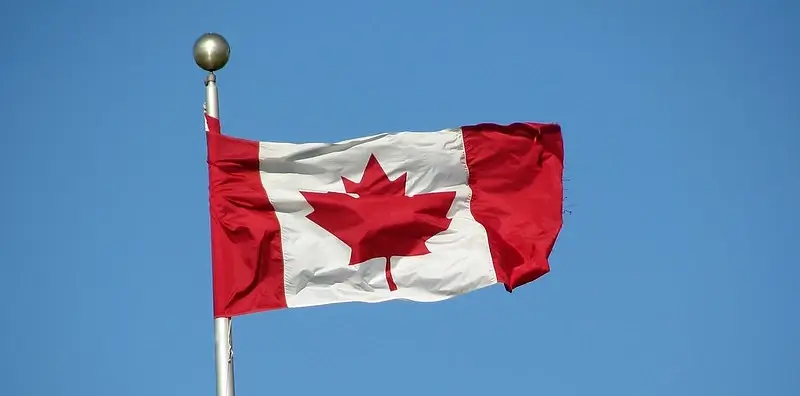
A renewed sense of alignment settled over Niagara as foreign ministers from the world’s major democracies met under Canada’s G7 presidency. Their joint statement—issued after two days of talks—marked a moment of collective purpose on the Gaza conflict, Ukraine’s future, Indo-Pacific tensions, and the economic pressures shaping global stability.
For Canada, the meeting became a timely opportunity to show steady diplomacy in a world shaped by competing interests.
A New Approach to Shared Challenges
One of the most notable developments this year was the G7’s open endorsement of President Trump’s Comprehensive Plan to End the Gaza Conflict. Canadian officials described the gathering as practical and forward-looking, and the ministers’ strong backing of the plan shows a clear willingness to move together rather than act in isolation.
For a country that often balances diplomacy with level-headed pragmatism, Canada used the Niagara gathering to encourage steady cooperation. Instead of scattered reactions to unfolding crises, ministers placed emphasis on working in tandem—especially on matters that affect Canadian energy supplies, global markets, and national security.
Gaza: A Turning Point in Western Backing
Canada placed emphasis on the humanitarian needs in Gaza, yet the biggest shift came from the G7’s collective support for the U.S. proposal. Ministers welcomed the ceasefire, the release of hostages, and an increase in aid delivery, while also noting that remaining barriers must still be addressed.
Their backing gives the U.S. plan added international weight. It also shows that the G7 is prepared to support a shared direction—one that aims for stability in a region where unrest affects global energy prices, migration patterns, and diplomatic cooperation.
Introduction of Main Themes
Although the Gaza conflict drew the most attention, the Niagara meeting covered a wide range of international issues. These included support for Ukraine, maritime tensions in the Indo-Pacific, access to critical minerals, and humanitarian emergencies in parts of Africa and the Caribbean. For Canadians following global affairs, the statement offers a clear picture of where the G7 intends to concentrate its efforts.
Summary of Discussions
| Topics | Main Points |
|---|---|
| Gaza & Middle East | Ceasefire, hostages, humanitarian access, Iran’s nuclear obligations |
| Ukraine | Territorial integrity, sanctions on Russia, energy support |
| Indo-Pacific | Navigation rights, Taiwan Strait stability, opposition to coercion |
| Economic Cooperation | Critical minerals, supply chain resilience, trade predictability |
Ukraine: Continued Support and Economic Pressure
While the Middle East dominated coverage, Ukraine remained a steady part of the G7’s commitment. Ministers reaffirmed their support for Ukraine’s sovereignty and condemned recent Russian attacks on energy infrastructure. They also discussed options for using frozen Russian assets to support Ukraine’s long-term recovery.
This direction fits with Canadian policy, which has consistently prioritized sanctions enforcement and long-term support for Ukraine’s economy. It also reflects the G7’s belief that the stability of Europe remains tied to the wider security interests of democracies around the world.
Ukraine-Related Actions
-
Increasing sanctions and economic restrictions on Russia.
-
Considering ways to use frozen Russian assets for Ukraine’s rebuilding efforts.
-
Condemning military support for Russia from Iran, China, and DPRK.
Indo-Pacific: Tensions That Affect Canada
With Canada now investing more attention in the Indo-Pacific region, the G7’s remarks hold particular relevance. Ministers expressed concern about aggressive maneuvers in the South China Sea and reiterated the importance of calm across the Taiwan Strait.
They also encouraged respectful dialogue between Beijing and Taipei, reminding the international community that sudden changes to the current situation could threaten stability. This approach matches Canada’s long-standing support for open sea routes, predictable trade, and peaceful diplomacy.
Indo-Pacific Measures
-
Rejecting coercive actions in the East and South China Seas.
-
Supporting Taiwan’s participation in appropriate international organisations.
-
Condemning DPRK’s nuclear and cyber activities.
Critical Minerals and Economic Security: A Place Where Canada Leads
Among the most Canadian parts of the Niagara statement was the section on critical minerals, an area where Canada has long-standing strengths.
Ministers reaffirmed their intent to build reliable supply chains, discourage trade practices that distort markets, and create a stable environment for mineral production. These minerals support industries ranging from electric vehicles to clean-tech manufacturing, making Canada an essential partner for many G7 economies.
The ministers also raised concerns about trade practices that undermine competition. For Canadian firms, this reinforces the importance of predictable rules as the global shift toward cleaner energy accelerates.
Humanitarian Emergencies: Haiti, Sudan, and Eastern DRC
Although these matters rarely dominate news cycles, they were firmly addressed during the Niagara discussions.
Humanitarian Priorities
-
Haiti: Encouraging contributions to support security forces and preparations for elections.
-
Sudan: Condemning ethnically targeted attacks and advocating for unhindered humanitarian access.
-
Eastern DRC: Calling for renewed engagement in peace efforts and protection of civilians.
These situations may seem distant from Canada, yet they influence migration flows, international aid needs, and global security arrangements. The G7’s shared stance suggests an understanding that unresolved violence can spill into regional instability.
Migration and Maritime Concerns
Ministers also remarked that instability drives irregular migration. They agreed to revisit this issue at a future meeting, acknowledging that displacement affects not only border policies but also economic and social planning.
On maritime matters, the ministers supported efforts to counter illegal fishing, arms trafficking, and other forms of unlawful activity at sea. Canada, with coasts on three oceans, understands how essential safe and open waters are for national prosperity and environmental protection.
What This Means for Canada
From a Canadian viewpoint, the Niagara meeting reinforced several important themes:
-
Canada continues to act as a steady partner among global democracies.
-
The G7 is showing a more united front on security and economic cooperation.
-
Natural resources, energy access, and maritime safety are increasingly shaping diplomatic conversations.
As global pressure points grow—from Gaza and Ukraine to tensions in the Indo-Pacific—the G7’s shared direction offers a clearer sense of how Canada will contribute to international stability. The Niagara statement shows that cooperation is still possible, even in a turbulent world.
Canada’s presidency set the stage. The coming months will show whether the commitments made in Niagara translate into progress that Canadians, and the wider world, can feel.
Sources: Global Affairs Canada.
Prepared by Ivan Alexander Golden, Founder of THX News™, an independent news organization delivering timely insights from global official sources. Combines AI-analyzed research with human-edited accuracy and context.