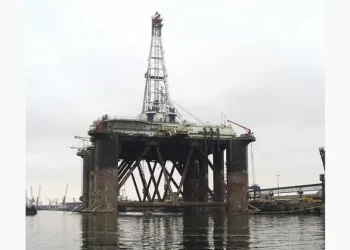
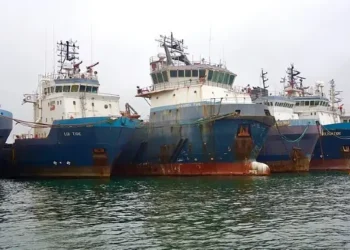
Southern Africa’s energy landscape is undergoing a significant transformation as Namibia attracts renewed global attention for its offshore oil potential. The entry of a major international operator signals growing confidence in the region’s deepwater reserves and long-term role in global energy supply.
Namibia offshore oil development has entered a new phase following bp’s acquisition of a 60% operating stake in three exploration blocks in the Walvis Basin. Announced in Johannesburg on April 13, 2026, the deal reflects increasing investor confidence in Southern Africa’s offshore energy potential and long-term economic prospects.
British Petroleum Expands Footprint in Namibia’s Walvis Basin
bp’s acquisition of interests in blocks PEL97, PEL99 and PEL100 marks a strategic expansion of its upstream portfolio in Southern Africa. The transaction, completed with Eco Atlantic Oil & Gas, positions the company at the forefront of Namibia’s emerging offshore exploration corridor.
The Walvis Basin is gaining attention as a potential extension of the prolific Orange Basin petroleum system. As exploration advances, industry players increasingly view the basin as a high-impact opportunity with significant reserve potential.
NJ Ayuk, Executive Chairman, African Energy Chamber
“Credit must be given to bp for recognizing the scale of opportunity in Namibia… This is what African energy development should look like – international majors and African-focused companies working together to unlock value.”
Southern Africa’s Deepwater Exploration Momentum
Namibia has rapidly emerged as one of the most closely watched frontier oil provinces globally. Discoveries in the Orange Basin by operators including Shell, TotalEnergies and Galp have repositioned the country as a potential multi-billion-barrel producer.
Investor sentiment toward Southern Africa’s offshore sector has shifted. What was once perceived as high-risk frontier territory is now increasingly viewed as a competitive exploration destination.
In addition, Namibia’s relatively open acreage and supportive regulatory environment have attracted a diverse mix of global and regional operators. This dynamic is reinforcing the country’s role as a strategic hub for future oil development in Africa.
Namibia Offshore Blocks and Stakeholders Overview
| Block | Operator | Stakeholders |
| PEL97 | bp | Eco Atlantic, NAMCOR |
| PEL99 | bp | Eco Atlantic, NAMCOR |
| PEL100 | bp | Eco Atlantic, NAMCOR |
Strategic Shift in Global Upstream Investment
The deal reflects a broader rebalancing within global energy markets. As mature oil basins face declining output and rising operational costs, companies are prioritising frontier regions capable of delivering long-term reserves growth.
Therefore, Namibia offshore oil projects are increasingly seen as part of a global diversification strategy. These projects offer scale, geological potential and the opportunity to develop new supply sources aligned with future demand patterns.
Some main drivers behind this shift include:
- Declining output in mature basins
- Rising costs in established production regions
- Need for long-term reserve replacement
- Strategic diversification of energy supply
Local Participation and Long-Term Value Creation
Importantly, the agreement ensures continued local involvement through Namibia’s national oil company, NAMCOR, alongside Eco Atlantic. This structure supports domestic capacity building and helps anchor economic benefits within the country.
Partnerships between international majors and African-focused firms are increasingly central to successful resource development across the continent. These collaborations facilitate technology transfer, workforce development and infrastructure investment.
As Namibia progresses through the exploration phase, sustained cooperation will be critical to translating discoveries into production.
Outlook for Namibia’s Emerging Oil Sector
Although Namibia remains in the early stages of exploration, the pace of activity suggests a rapidly evolving basin trajectory. Industry expectations indicate that first offshore production could begin by the end of the decade, provided exploration and infrastructure development continue on schedule.
Looking ahead, several factors will shape the sector’s trajectory:
- Continued exploration success in the Walvis and Orange basins
- Infrastructure development to support production
- Regulatory stability and investment frameworks
- Integration into global energy supply chains
Namibia offshore oil development represents a significant opportunity for Southern Africa’s economic and energy future. The involvement of major international operators reinforces the country’s growing role within global exploration strategies.
Sustained collaboration between global and local stakeholders will determine how effectively Namibia converts exploration success into long-term national value and regional growth.
Sources: African Energy Chamber.
Prepared by Ivan Alexander Golden, Founder of THX News, an independent news organization delivering timely insights from global official sources. Research combines AI-assisted analysis with human-edited accuracy and context.