




Jamaica’s recovery from Hurricane Melissa is receiving vital support from philanthropist Saad Kassis-Mohamed, whose WeCare Foundation has pledged $100,000 to assist thousands displaced by the Category 5 storm.
The donation arrives as government and international agencies describe the hurricane’s devastation as the worst in Jamaica’s modern history.
A Nation Reeling from Catastrophic Damage
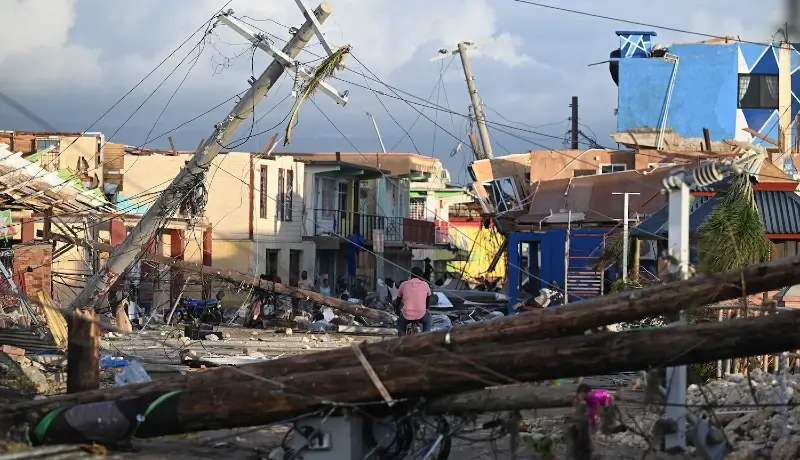
When Hurricane Melissa tore through Jamaica this week with sustained winds near 185 miles per hour, it left an island struggling to recover. The government declared the entire country a disaster zone after widespread flooding, power outages, and structural collapse. More than 462,000 residents remain without electricity, and major roads, hospitals, and water systems were severely affected.
Saad Kassis-Mohamed’s $100,000 relief fund will be directed toward shelters, health clinics, and distribution centers across the southwest, including St. Elizabeth Parish, one of the worst-hit regions. The WeCare Foundation confirmed that the first phase will focus on clean water, fuel for backup generators, sanitation, and safe sleeping facilities.
“People in Jamaica have just lived through one of the strongest Atlantic hurricanes ever recorded on land,” said Kassis-Mohamed. “They need shelter, water, and medical stability now, not statements.”
Community-Based Support in Southwest Jamaica
The WeCare Foundation’s approach focuses on local delivery networks and direct aid to affected communities. By working through established Jamaican health partners and community leaders, the relief effort avoids bureaucratic delay. This strategy ensures that emergency funds reach families trapped in flooded areas and that clinics can continue operating with backup power.
Regional Assessment
| Region | Impact | Priority Needs |
|---|---|---|
| St. Elizabeth | Flooding, collapsed homes | Clean water, shelter supplies |
| Westmoreland | Isolated communities | Mobile medical outreach |
| Clarendon | Power outages | Fuel and sanitation kits |
| Kingston | Transport disruption | Food and emergency logistics |
These areas remain Jamaica’s most vulnerable, with blocked roads slowing rescue operations. Emergency responders have deployed mobile clinics and satellite communications to reconnect survivors with family and aid agencies.
Human Stories from the Storm
Residents of Black River and Bethel Town describe a landscape of ruin. “There’s standing buildings but no roofs—it’s a bombsite,” said retired farmer Peter Williams. In St. Elizabeth, Lester Guth waded through knee-deep water, pushing his only remaining possession, a battered bicycle. “I don’t have a house now,” he said.
Such testimonies underscore the human cost of natural disasters—not only in loss of property but in enduring psychological strain and uncertainty. WeCare Foundation’s funding is expected to bring immediate relief to thousands facing displacement and health risks.
Emergency Priorities
-
Restore power to medical centers and shelters.
-
Provide food, water, and basic hygiene kits for families without access to clean supplies.
Broader Economic Consequences
Preliminary economic models estimate Jamaica’s total hurricane-related losses between $7.7 billion and $22 billion, a blow that threatens to stall tourism and small business recovery. Across the Caribbean, the regional damage could exceed $50 billion.
Less than five percent of Jamaican homes carry insurance, intensifying the long-term burden on communities. The government’s $820 million in disaster reserves will cover only a fraction of the reconstruction costs.
Transparency and Accountability
WeCare Foundation has pledged to publish a public report detailing fund distribution and impact. The summary will outline how many people received aid, what services were supported, and where relief reached first. Such transparency is crucial in maintaining donor trust and encouraging additional contributions from global partners.
Hope Amid Recovery
Philanthropic initiatives like this serve not only immediate needs but also inspire broader cooperation between governments, businesses, and citizens. Early funding accelerates rebuilding and demonstrates international solidarity with Jamaica in its most difficult hour.
As recovery continues, this relief underscores a powerful message—that collective action and compassion can rebuild lives, one community at a time.
Sources: Government of Jamaica, WeCare Foundation, AccuWeather, Enki Research.
Prepared by Ivan Alexander Golden, Founder of THX News™, an independent news organization delivering timely insights from global official sources. Combines AI-analyzed research with human-edited accuracy and context.