
The UK has secured a major boost for its maritime, defence, and shipbuilding sectors through a new £4 billion partnership with Indonesia that will support 1,000 jobs across Rosyth, Bristol, and Plymouth.
The agreement forms part of a wider strategy to strengthen Indo-Pacific cooperation while expanding opportunities for British industry and modern shipbuilding expertise. It also reflects growing demand for maritime security, sustainable fishing, and economic development across the region.
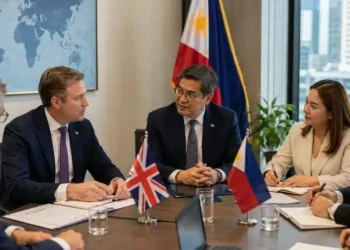
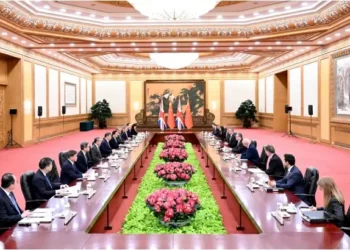
Announced ahead of discussions between Prime Minister Keir Starmer and President Prabowo Subianto at the G20 Summit, the Maritime Partnership Programme will see British defence firm Babcock lead the joint development of Indonesian naval and fishing vessels.
The initiative combines UK shipbuilding knowledge with Indonesia’s long-term goals for food security, fishing fleet renewal, and maritime resilience. It follows notable UK export successes with Norway and Türkiye, reinforcing the country’s strengthened position in global defence collaboration.
The agreement marks a notable expansion of UK maritime cooperation in the Indo-Pacific, an area increasingly shaped by competition, economic opportunity, and shared security interests. Under the deal, vessels will be built in Indonesia using British design, engineering, and naval systems expertise. The arrangement supports British jobs while unlocking investment in Indonesian shipyards and fishing communities striving to modernise their fleets.
Strengthening Maritime Capability in the Indo-Pacific
Indonesia’s navy and fishing sector will benefit from substantial upgrades through the new programme. More than 1,000 vessels are expected to be developed for fishing communities, helping the country increase sustainable food production while bolstering maritime security. Additionally, improved naval capability is intended to support safe navigation and regional cooperation across one of the world’s busiest trade corridors.
The programme also supports Indonesia’s strategy to revitalise local shipbuilding. By pairing British engineering experience with Indonesian industrial growth, the initiative aims to build long-term capability rather than short-term delivery alone. Moreover, it reinforces the UK’s broader Indo-Pacific engagement, including recent naval visits to Jakarta and expanded defence dialogues.
Benefits for UK Industry and Workforce
The partnership is expected to bring steady employment and supply chain activity to British maritime hubs. Rosyth, Bristol, and Devonport will play central roles in delivering engineering support, digital ship design, and integrated naval systems. These locations will also supply expertise in precision engineering and advanced manufacturing techniques, which remain essential to the future of UK shipbuilding.
The agreement follows two major defence export wins for the UK: a £10 billion destroyer contract with Norway supporting 4,000 jobs, and an £8 billion deal with Türkiye for 20 Typhoon fighter jets, securing a further 20,000 jobs. Together, these deals indicate renewed global confidence in British defence innovation and industrial capability.
- British maritime expertise will guide vessel design and systems integration.
- Indonesian shipyards will expand capacity through joint training and knowledge exchange.
- Local communities will benefit from job creation and food security improvements.
Ministerial Comments
Prime Minister Keir Starmer said:
“This deal with Indonesia is the latest example of how our strong international partnerships are delivering real benefit for people at home in jobs, opportunity and growth.
“And as one of our closest G20 partners, it reinforces our joint commitment to global stability and bolsters our shared national security.”
Projected Outcomes of the Maritime Partnership Programme
| UK jobs supported | 1,000 across Rosyth, Bristol, and Plymouth |
| Programme value | £4 billion over multiple development phases |
| Number of vessels | 1,000+ fishing and naval vessels |
| Primary beneficiaries | Indonesian navy and fishing communities |
Indonesia’s Maritime and Economic Priorities
President Prabowo’s administration has placed food production and sustainable fisheries at the centre of its economic agenda. Modernising the country’s fishing fleet will help increase domestic consumption, improve safety for coastal workers, and support responsible environmental practices. Meanwhile, naval upgrades will strengthen Indonesia’s ability to safeguard its waters and contribute to Indo-Pacific stability.
Investment in shipbuilding is also expected to lift surrounding communities by creating skilled roles, expanding training opportunities, and revitalising waterfront economies. This aligns with Indonesia’s ambition to build a resilient maritime sector capable of supporting both national development and international cooperation.
Science, Sustainability, and Shared Research
The UK’s Blue Planet Fund, which supports sustainable marine management in developing countries, will contribute to environmental initiatives linked to the programme. This includes fish-stock assessment, marine conservation, and coastal resilience projects designed to protect ecosystems while supporting long-term food security.
Babcock will also explore collaboration between British and Indonesian educational institutions to develop training in engineering, digital ship design, and next-generation manufacturing. These exchanges will help strengthen technical skills and ensure that both countries gain lasting benefits from the partnership.
In Conclusion
The £4 billion maritime agreement between the UK and Indonesia represents an important step in deepening economic, defence, and maritime cooperation across the Indo-Pacific.
By supporting jobs at home while investing in Indonesia’s long-term capability, the programme demonstrates how international partnerships can deliver shared security, economic opportunity, and sustainable development. It positions both nations to benefit from renewed shipbuilding collaboration and future joint innovation.
Sources: Prime Minister’s Office; Ministry of Defence; Foreign, Commonwealth & Development Office.
Prepared by Ivan Alexander Golden, Founder of THX News™, an independent news organisation delivering timely insights from global official sources. Combines AI-analysed research with human-edited accuracy and context.