The Department of Homeland Security, working with the U.S. Department of Agriculture, Centers for Disease Control and Prevention, and Department of the Interior, convened a two-part simulation exercise in Washington, D.C., earlier this month to test national readiness for a potential New World screwworm incursion and its implications for the U.S. food supply.
The exercise was framed by federal agencies as a coordinated response to emerging animal and public health threats that could disrupt livestock production, wildlife management, and consumer food access. It brought together federal, state, local, and tribal authorities to align operational planning under a shared preparedness and oversight framework.
Federal Agencies Convene National Preparedness Exercise
The Department of Homeland Security Office of Health Security confirmed that the exercise involved 80 in-person participants and more than 170 virtual attendees, including decision-makers from multiple levels of government.
Meanwhile, the U.S. Department of Agriculture and the Centers for Disease Control and Prevention joined the Department of the Interior to provide technical and operational perspectives.
According to DHS, the sessions were designed to test coordination pathways between homeland security, agriculture, public health, and wildlife agencies. Additionally, federal organisers said the format allowed agencies to identify decision points that would guide a government-wide response if the parasite were detected domestically.
| Indicator | Recent Movement | Context |
|---|---|---|
| Participation Level | 250+ total attendees | DHS Office of Health Security reported combined in-person and virtual participation from federal, state, local, and tribal authorities. |
| Exercise Scope | Three scenario tracks | USDA Animal and Plant Health Inspection Service confirmed scenarios covering livestock smuggling, wildlife transmission, and human-mediated exposure. |
| Interagency Lead | Four federal departments | DHS, USDA, CDC, and DOI jointly coordinated the exercise, according to the DHS post-event briefing. |
Scenario Pathways and Risk Overview Table
The Department of Homeland Security stated that the three scenarios were selected to reflect potential entry points for the parasite into the United States. Meanwhile, the U.S. Department of Agriculture’s Animal and Plant Health Inspection Service said the exercise tested how agencies would share information and deploy resources across jurisdictions.
According to DHS officials, the approach was intended to establish a shared operational baseline for rapid response. Additionally, CDC representatives noted that the framework aligned animal health monitoring with public health surveillance to reduce detection gaps.
Understanding the New World Screwworm Threat
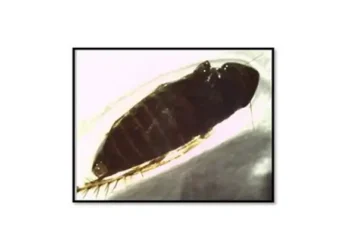
The U.S. Department of Agriculture describes the New World screwworm, Cochliomyia hominivorax, as a parasite whose larvae feed on the living tissue of warm-blooded animals and, in rare cases, humans. However, USDA briefings note that untreated infestations can lead to severe tissue damage and animal mortality.
According to the USDA, the parasite poses an economic risk to livestock industries because outbreaks can disrupt production and trade. Meanwhile, the Centers for Disease Control and Prevention has highlighted the public health dimension, noting that human cases, while uncommon, require medical intervention.
| Indicator | Recent Movement | Context |
|---|---|---|
| Primary Hosts | Livestock and wildlife | USDA APHIS identifies cattle, birds, and other warm-blooded animals as primary risk groups. |
| Human Health Impact | Low incidence, high treatment need | CDC guidance states that human cases are rare but require prompt medical care. |
| Economic Exposure | High-value livestock sector | USDA assessments link outbreaks to production losses and potential trade disruptions. |
Stakeholder Comments
Cabinet and Agency Leadership Comments
Kristi Noem, Secretary of Homeland Security, said;
“Food security is national security. We need to protect America’s food supply to protect the American homeland.”
Dr. Sean Conley, Acting DHS Chief Medical Officer and Acting Director of the Office of Health Security, said;
“The sessions provided participants with a shared operational baseline and an opportunity to test coordination and identify decision points critical to an effective government response.”
Rear Admiral Michael Schmoyer, Associate Administrator, USDA Animal and Plant Health Inspection Service, said;
“A coordinated Federal, state, and local One Health response is critical to strengthening our preparedness efforts should New World screwworm reach the United States.”
Dr. Jenifer Chatfield, Deputy Assistant Secretary for Fish and Wildlife and Parks, Department of the Interior, said;
“A New World screwworm incursion threatens our native species as well as livestock, and we welcome the opportunity to engage in preparedness activities with our partners.”
In Conclusion
The federal exercise positioned the New World screwworm as a cross-sector preparedness issue linking homeland security, agriculture, public health, and wildlife management. By convening multiple agencies and levels of government, DHS and its partners aimed to align response planning under a shared operational framework.
The Department of Homeland Security stated that continued interagency coordination will remain part of its approach to addressing emerging biological threats that could affect the U.S. food supply and public health systems.
Sources: Department of Homeland Security, U.S. Department of Agriculture, Centers for Disease Control and Prevention, Department of the Interior.
Prepared by Ivan Alexander Golden, Founder of THX News, an independent news organization delivering timely insights from global official sources.
Combines AI-analyzed research with human-edited accuracy and context.