



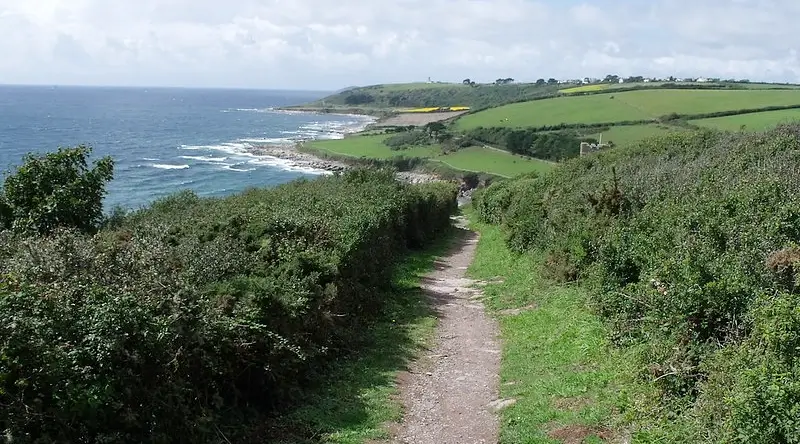
Visiting Devon and Cornwall are two stunning counties in the southwest of England, popular for their dramatic, rugged cliffs, clear sea, beautiful gardens and sandy beaches. But there is much more to explore and even learn about.
Getting There & Travel Tips
This area can be reached by plane travelling to Exeter and Newquay from various UK cities, by regular trains from most UK stations and by car via the M5 into Devon and the A30 into Cornwall.
Transport Options:
- ✈️ Flights into Exeter or Newquay airports
- 🚂 Regular train services from major UK cities
- 🚗 Driving via M5 (Devon) and A30 (Cornwall)
- 🚌 Local bus services connecting major towns
- 🚶♂️ Walking paths and trails connecting coastal towns

Best Times for Visiting Devon and Cornwall
From March to May the weather is mild and there are spring flowers and migrant birds arriving from all over the world. From June to August the temperature is warm, sometimes wet but there are long daylight hours.
This is when many visitors flock to these 2 counties from all over the UK. From September to November the autumn colours attract visitors and the attractions are quieter.
Seasonal Highlights:
- 🌸 Spring (March-May)
- Mild weather
- Spring flowers in bloom
- Migrating birds arrive
- Lower visitor numbers
- ☀️ Summer (June-August)
- Warmest temperatures
- Long daylight hours
- Peak tourist season
- Most attractions open
- 🍂 Autumn (September-November)
- Beautiful fall colors
- Quieter attractions
- Mild temperatures
- Better accommodation availability
Devon Highlights
Historic Exeter
In Devon, the city of Exeter is steeped in historic buildings including the ancient cathedral, it’s Roman walls and the Market Square. In Devon’s ancient capital city, food is plentiful and delicious and there are multiple cafes and restaurants. The Royal Albert Memorial Museum is worth a visit.

The Jurassic Coast
The southern coast of Devon is part of the Jurassic Coast, a UNESCO World Heritage Site that features rocks dating back to the Jurassic period (approximately 201 to 145 million years ago). If you are interested in fossils, this is the place to visit.
This coast is famous for its fossil-rich cliffs, such as those found at Lyme Regis and Charmouth. This is where Mary Anning, the famous fossil collector, worked in the early 1800s. Mary made many great discoveries, including an ichthyosaur and several other fine ichthyosaur skeletons.
Her most important find, from a scientific point of view, was her discovery of the first plesiosaur. Like Mary Anning, you too can search for fossils as you stroll along the beach at Lyme Regis.
The English Riviera
Torbay, also situated on the south coast of Devon, encompasses the coastal towns of Brixham, Paignton and Torquay. This area is known as the English Riviera because of its warm, sunny weather.
Torquay is a famous English seaside town known for its beaches, palm trees, attractions and lively promenade.
Dartmoor National Park
280 million years ago, a very large quantity of magma intruded into the area we now know as Devon and Cornwall and although it pushed up the rocks above it, the magma never reached the surface.
The Cornubian batholith, a vast granite formation, stretches from the Isles of Scilly to Dartmoor. Erosion has exposed granite outcrops across six regions in Devon, Cornwall and the Isles of Scilly.
Dartmoor National Park is one area where more than 160 granite outcrops (tors) can be seen. Each tor has its own unique and distinct formation with Dartmoor’s most famous landmark being Haytor Rocks, a sight of Special Scientific Interest and a natural beauty spot.
Dartmoor is a paradise for hikers and nature lovers. With its ancient stone circles and wild ponies, it provides a perfect backdrop for outdoor adventures.
Cornwall’s Treasures
Land’s End
One of the most treasured and famous landmarks in the UK is Land’s End. Land’s End is a granite mass at the tip of the southwesternmost point of England with a very rugged coastline. It is a fantastic family day out where you can explore some of the finest surroundings anywhere in the British Isles.
Artistic St. Ives
Also, in the south west of Cornwall, beside the sea, is quaint St. Ives. It is known for its excellent surf beaches, clear lighting and its famous art scene. Many famous British artists have lived and worked in St Ives.
You can visit the Barbara Hepworth Museum and Sculpture Garden, in the modernist artist’s former studio where displays of her bronzes and other works can be seen. The famous Tate St Ives gallery, beautifully situated on the seafront, has rotating modern art exhibitions, focusing on British artists.
St Ives is a small place which can get very busy so you need to plan your visit carefully. You can also arrange a boat trip to take you to Seal Island, just west of the town, to see the seal colony.

Historic Penzance
Penzance, Cornwall’s westernmost major town, boasts ancient market charm and port heritage. Dolphins thrive offshore year-round. Penzance is a town with lots to offer, from its beautiful gardens and historic buildings to its stunning coastline and bustling markets.
Explore St. Michael’s Mount, a breathtaking tidal island in Mount’s Bay near Penzance. This historic site once housed a monastery. A granite causeway connects the island to Marazion, accessible between mid-tide and low water.
Surfing Paradise: Newquay
With miles of golden sand and captivating coastlines, Newquay, a town on the north coast of Cornwall, boasts some of the most beautiful beaches in Cornwall. It’s known for sandy Fistral and Watergate Bay beaches, where waves from the Atlantic Ocean create strong surf.
All year, surfers come from all over the world to this surfer’s paradise to ride the waves and enjoy the vibrant nightlife. For the less energetic, on the seafront the Blue Reef Aquarium features an underwater tunnel going through a coral-reef tank with pufferfish, sharks and rays.
Further inland, surrounded by tropical gardens, Newquay Zoo is home to lions, wildebeest and sloths.

Mythical Tintagel
Also, in north Cornwall, is Tintagel Castle. Cornwall boasts a rich Celtic heritage, and Tintagel Castle’s ruins connect directly to King Arthur and the Knights of the Round Table legend.
Go on a legendary adventure at Tintagel: cross the spectacular new bridge to take in unforgettable views of the coastline and explore the history-rich headland.
Walk among the castle ruins that still cling to the cliffs, find early-medieval remains and you will meet Gallos – the life-size bronze statue of an ancient king who keeps watch over the wild seas below.
A Final Reflection
These are just a few of the activities you can enjoy in this fabulous location. A holiday in Devon and Cornwall offers a blend of stunning natural beauty, rich history, delicious food and vibrant culture.
Whether you’re seeking adventure or relaxation, these regions have something for everyone, making them perfect destinations for your next getaway. I think you will find that a visit to this region will be a holiday you will never forget.
Sources: THX News, Wikipedia & English Riviera.