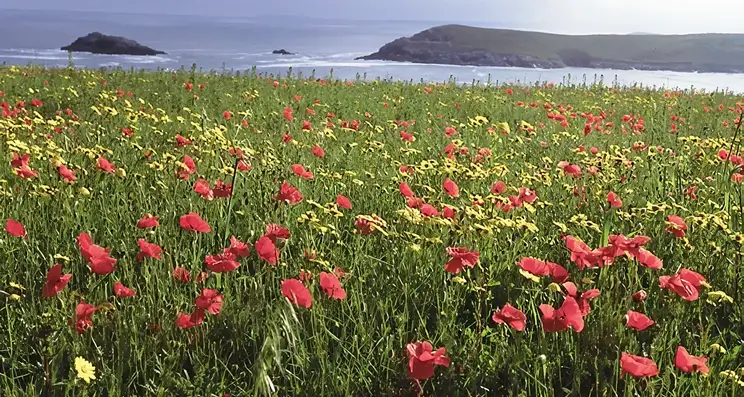
England’s 30by30 nature recovery plan sets out how the government intends to protect and improve 30% of the country’s land for nature by 2030, with nearly £40 million supporting National Parks and National Landscapes.
Published by the Department for Environment, Food and Rural Affairs on 13 July 2026, the delivery plan establishes routes for land to qualify towards England’s 30by30 target. The international commitment was agreed by more than 190 countries to support nature recovery and reduce biodiversity loss.
Government analysis indicates that around 32% of England’s land already meets, or could potentially meet, the required criteria. Farmers, landowners, protected landscape teams and local organisations will be able to assess where land already qualifies and where improved management or investment is required.
England’s 30by30 Plan Sets Land Protection Path
The delivery plan establishes a national route towards protecting and improving 30% of England’s land for nature by 2030. Land will be assessed according to its existing condition, management and potential to contribute to long-term nature recovery.
The government said the programme will move nature recovery from a broad ambition towards defined delivery across individual landscapes. Different areas will be able to follow routes reflecting the level of protection, management or further investment required.
- National target: Protect and improve 30% of England’s land for nature by 2030.
- International commitment: Support the 30×30 agreement adopted by more than 190 countries.
- Delivery partners: Work with farmers, landowners, protected landscapes and local organisations.
Delivery Plan Identifies Land Protection Routes
The plan introduces a tiered approach to help identify land that is already delivering for nature, land where further improvements are possible and areas where investment could have the greatest effect. This will allow different types of land to be assessed against the government’s 30by30 criteria.
A new land-use story map is also being made available to support decisions about land management. The government said the online resource will help people understand how particular areas may contribute to nature recovery and wider land-use priorities.
The framework is intended for use by those responsible for managing farms, estates, protected areas and locally led environmental projects. It will also provide a shared basis for discussing what further action may be required before land can qualify.
Funding Supports National Parks and Landscapes
Nearly £40 million will be invested across England’s 10 National Parks and 34 National Landscapes. The funding is intended to expand local nature recovery work and strengthen the capacity of protected landscape teams to deliver projects across larger connected areas.
The government cited the Big Chalk Nature Recovery Fund as an example of the type of initiative that could be scaled up. The programme reconnects chalk and limestone landscapes covering approximately 20% of England, creating routes through which wildlife can move.
- National Parks: England’s 10 designated parks will receive support for expanded nature recovery activity.
- National Landscapes: Funding will cover teams working across 34 protected areas.
- Connected habitats: Projects may restore links between fragmented landscapes and wildlife areas.
30by30 Funding and Landscape Measures
| Measure | Scale | Purpose |
|---|---|---|
| Protected landscapes funding | Nearly £40 million | Expand nature recovery work |
| National Parks | 10 areas | Support landscape projects |
| National Landscapes | 34 areas | Strengthen local delivery |
| Big Chalk initiative | 20% of England | Reconnect wildlife habitats |
Land will follow different routes towards the 30by30 target. Areas already meeting the criteria may be recognised for their existing protection, while potentially qualifying land may require improved management. Investment can then be directed towards areas where further action could make the greatest contribution to nature recovery.
New National Forest Advances Land Recovery
The government confirmed that the Forest of Marston Vale has been appointed as the development partner for the second new national forest planned for the Oxford–Cambridge corridor. The decision advances the manifesto commitment to create three new national forests.
The forests are expected to support habitat creation, climate adaptation and greater public access to natural spaces. The appointment allows development work to proceed with an organisation that already has experience of landscape restoration and woodland creation.
The announcement places new woodland alongside the broader 30by30 programme rather than treating forests as a separate environmental measure. National forests can contribute to land recovery while providing accessible areas for communities.
Wider Climate Adaptation Measures Announced
The government also announced £13 million for the Met Office to develop UK Climate Information, the next generation of national climate projections and supporting tools.
A further £17 million will fund a What Works Centre for Climate Adaptation to assess evidence on climate resilience. The two programmes will support future decisions by organisations preparing communities, infrastructure and public services for climate impacts.
Youth Climate and Nature Panel Will Advise Government
A Youth Climate and Nature Panel will also bring together approximately 15 people aged 16 to 25 from across the UK. Members will provide advice on climate and nature policy and support government engagement with younger people.
Stakeholder Comments
Ministerial Comments
Emma Reynolds, Environment Secretary said;
“Recent scorching heatwaves and record temperatures are a stark reminder of why this government is investing in tackling climate change and restoring nature.”
“Together with farmers, landowners and local partners, we are delivering a more resilient and thriving environment.”
Ed Miliband, Energy Security and Net Zero Secretary said;
“These record-breaking heatwaves show once again that the climate crisis isn’t a future threat. The impacts are here with us today with extreme heat having an impact on our nation’s health, economy, and public services.”
“The government will not leave our children and grandchildren to face the costs of climate breakdown and nature loss.”
Tony Juniper, Chair of Natural England said;
“Today marks a turning point for Nature recovery in England, moving us from ambition to real, tangible progress across the country. This delivery plan sets out clear routes for people, businesses and organisations to come together to drive progress towards protecting 30% of our land and seas by 2030.”
Mary-Ann Ochota, Independent Chair of the Protected Landscapes Partnership said;
“Our National Landscapes and National Parks are rightly at the heart of this delivery plan: They cover 25% of England, and must become wellsprings of abundant nature, climate resilience and better health and wellbeing for the nation.”
England’s 30by30 delivery plan combines land assessment, protected landscape funding, new forests, climate research and youth participation within the government’s nature programme. Delivery will involve national agencies, farmers, landowners and local partners working across areas with different levels of protection and recovery potential. Further progress will depend on converting eligible land and planned investment into managed areas that meet the 2030 criteria.
Sources: Department for Environment, Food & Rural Affairs, The Rt Hon Emma Reynolds MP and The Rt Hon Ed Miliband MP.
Prepared by Ivan Alexander Golden, Founder of THX News, an independent news organisation delivering timely insights from global official sources. Combines AI-analysed research with human-edited accuracy and context.