
Wildlife decline across England has placed increasing pressure on conservation systems, with long-term population reductions affecting a wide range of native species. Government-led recovery programmes have focused on habitat protection and restoration to support biodiversity and stabilise ecosystems.
The UK government has announced a £90 million investment to support threatened species recovery across England, led by the Department for Environment, Food & Rural Affairs.
The funding will expand the Species Recovery Programme and support conservation efforts across multiple habitats between 2026 and 2029. The initiative aims to address long-term wildlife population decline while contributing to national environmental targets on species protection and biodiversity restoration.
Government announces record investment in species recovery
The government has committed £90 million to species recovery efforts, marking the largest direct investment of its kind. This includes £60 million allocated to the Species Recovery Programme and £30 million directed towards conservation work on the national forest estate.
Species Recovery Programme and national forest funding explained
The Species Recovery Programme, managed by Natural England, supports conservation activities including habitat restoration and species reintroduction. Additional funding for the national forest estate will extend recovery work across managed woodland environments.
- Habitat restoration
- Captive breeding programmes
- Species reintroduction initiatives
- Landscape-scale conservation projects
Conservation actions and species supported
The funding will support a wide range of species across different ecosystems, including birds, mammals, insects, and marine life. Conservation actions are designed to address habitat loss and improve environmental conditions for threatened populations.
- Bird and mammal conservation
- Insect and pollinator recovery
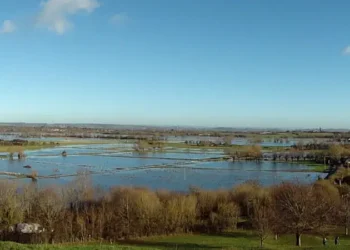
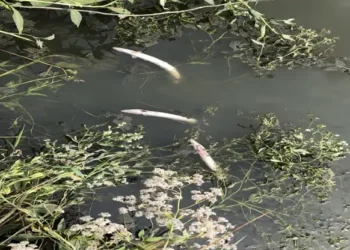
- Wetland and freshwater restoration
- Marine and coastal habitat support
Long-term environmental targets and biodiversity decline
England has experienced long-term declines in wildlife populations, with national data indicating a reduction in species abundance over recent decades. The funding supports government targets to halt species decline by 2030 and reduce extinction risk by 2042.
Environmental targets and outcomes
| Species abundance target | Halt decline by 2030 under national environmental commitments |
| Extinction risk target | Reduce risk by 2042 compared with 2022 baseline |
| Programme history | Over 1,000 species supported through long-term conservation efforts |
Track record of species recovery programme
Over the past three decades, the programme has contributed to the protection of more than 1,000 species and prevented multiple national extinctions. Recent work between 2022 and 2024 has supported hundreds of species through targeted conservation efforts.
Examples of funded conservation projects
Examples include habitat restoration for water voles, breeding programmes for rare birds, and reintroduction efforts for species previously absent from certain regions. Projects have also improved conditions for pollinators and wetland species across England.
Range of species supported
The programme covers a diverse range of species, including birds, insects, mammals, and aquatic life. Conservation work is distributed across multiple regions and ecosystems to support biodiversity recovery.
Funding timeline and next steps
Funding decisions for projects covering the 2026 to 2029 period are expected to be confirmed by Natural England in May 2026. Applications are currently undergoing assessment before final approval.
Programme administration and decision process
Projects are reviewed through an assurance process before being considered by the programme board. Final funding allocations will be announced following this review stage.
Stakeholder Comments
Emma Reynolds, Environment Secretary said;
“This Government is bringing threatened wildlife back from the brink with the largest ever investment in species recovery.
Tony Juniper, Chair of Natural England said;
“This new government funding is most welcome, and will enable us to support even more of the many initiatives underway across England to halt and reverse the decline of our wonderful wildlife.”
In a Nutshell
The £90 million investment establishes an expanded framework for species recovery across England, combining existing programmes with new funding streams. It supports conservation delivery through national and local initiatives while aligning with long-term environmental targets.
Project confirmations and implementation phases are expected to progress during 2026, with oversight provided by Natural England.
Sources: Department for Environment, Food & Rural Affairs and The Rt Hon Emma Reynolds MP.
Prepared by Ivan Alexander Golden, Founder of THX News, an independent news organisation delivering timely insights from global official sources. Combines AI-analysed research with human-edited accuracy and context.