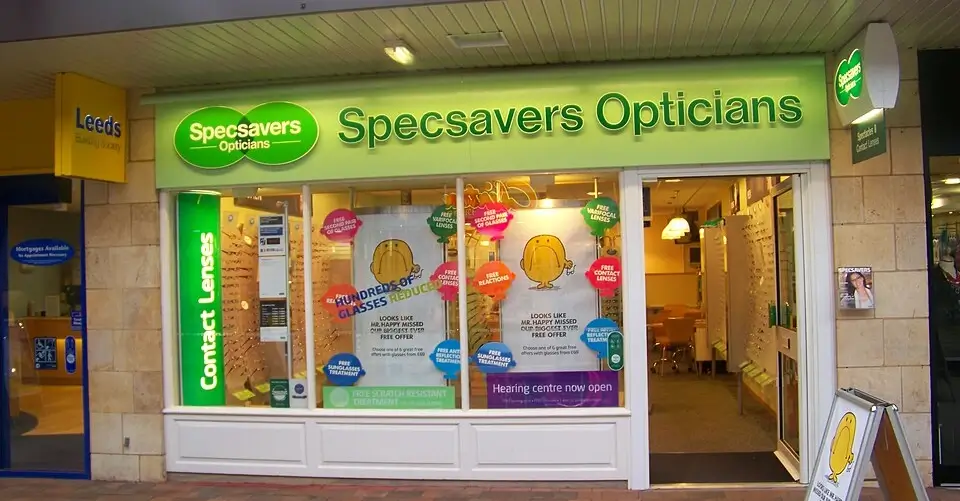
The Department of Health and Social Care, NHS England and Health and Care Minister Stephen Kinnock have announced £20 million to digitise NHS eye care referrals from high street optical practices in England by April 2028.
The announcement was published on 8 June 2026 and applies to optical practices in England with an NHS contract. It will give community-based optometrists access to NHS digital systems used to refer patients into hospital eye services.
The change will support referrals into NHS secondary care and future access to NHS Online when it launches next year. NHS England has also published national glaucoma guidance intended to improve follow-up care and reduce avoidable sight loss.
NHS eye care referrals to move online
Millions of people are set to benefit from faster NHS eye care as high street optometrists gain the ability to refer patients directly and digitally into hospital eye services. The Department of Health and Social Care said the investment will support more accurate referrals and reduce unnecessary appointments.
Community optometrists will be able to use NHS systems to send referrals without requiring patients to attend a separate appointment simply to be passed on. The government said this should save patients time while easing pressure on GPs.
- Referral route: optometrists will be able to refer patients directly into NHS hospital eye services through digital systems.
- Patient records: optical practices will gain access to relevant care records to support clinical decision-making.
- Service scope: the roll-out will cover optical practices in England that hold NHS contracts.
High street optometrists to gain NHS access
The £20 million investment will provide access to the NHS e-Referral service for all community-based optical practices in England with NHS contracts. Practices will also gain access to the National Care Record Service.
Full access to the NHS e-Referral Service and National Care Record Service is scheduled by April 2028. The National Care Record Service will allow optometrists to view relevant eye care records, helping patients avoid repeating information already held within NHS systems.
Digital Eye Care Roll-Out
| Indicator | Recent Movement | Context |
|---|---|---|
| Investment | £20 million | The Department of Health and Social Care said the funding will digitise referrals from optical practices into NHS hospital eye services. |
| Coverage | NHS-contracted optical practices in England | The government said the roll-out will apply to community-based optical practices with NHS contracts. |
| Access target | April 2028 | The announcement said the aim is to achieve full access to the relevant NHS systems by this date. |
Investment aims to shift care into communities
The government said the investment is intended to bring more eye care out of hospitals and into community settings. This would allow patients to receive quicker care closer to home where clinically appropriate.
The funding will also cover training and support for optical practices using the NHS e-Referral service and National Care Record Service. The Department of Health and Social Care said this will help practices make full use of the new systems.
- Community care: patients may be managed closer to home where optometry services can support the pathway.
- Hospital demand: more accurate referrals are intended to reduce avoidable pressure on specialist services.
- Practice support: funding will include training to help optical practices use the digital systems effectively.
Glaucoma guidance published for England
NHS England has published the Getting It Right First Time Glaucoma Best Practice Guidance for England. The guidance is intended to support earlier diagnosis and better follow-up care for patients with glaucoma.
Glaucoma is one of the leading causes of preventable sight loss in the UK. The announcement said delays in detection or follow-up can have permanent effects on independence, work and quality of life.
Glaucoma Care Measures
| Indicator | Recent Movement | Context |
|---|---|---|
| Guidance | First national GIRFT glaucoma guidance for England | NHS England published the guidance alongside the digital referral investment. |
| Patient impact | Hundreds of thousands may benefit | NHS England said implementation could help more glaucoma patients receive follow-up care on time. |
| Clinical risk | Avoidable sight loss | The announcement said late detection or delayed follow-up can lead to severe and permanent consequences. |
Digital referrals could reduce NHS pressure
The new systems are intended to improve how information moves between community optometrists and hospital eye services. The government said direct digital referrals can reduce administrative delays and help patients access specialist care more quickly.
The new systems are intended to improve the flow of patient information between community optometry and hospital services. This could reduce duplication, avoid repeat explanations from patients and free up GP appointments for other needs.
Stakeholder Comments
Ministerial Comments
Stephen Kinnock, Health and Care Minister said;
“For too long, patients have faced unnecessary delays, avoidable trips to hospital and a fragmented system that hasn’t put their needs first. That changes from today.”
“This £20 million investment will bring eye care closer to home, equipping high-street optometrists with the digital tools they need to refer patients faster and more accurately.”
“This is exactly the kind of modernisation that will help shift the NHS from a one-size-fits-all, hospital-first model to one that is community-based, preventative and truly fit for the future.”
Professor Tim Briggs
Professor Tim Briggs, GIRFT programme lead and NHS England National Director for Clinical Improvement, Elective Recovery and Urgent and Emergency Care said;
“We must do everything we can to reduce the risk of avoidable sight loss which can have a huge impact on people’s independence.”
“Alongside new investment, our new national NHS guidance for glaucoma care will benefit hundreds of thousands of patients, ensuring they receive earlier diagnosis and follow-up care closer to home, while helping to clear the backlog.”
Elizabeth Wilkinson
Elizabeth Wilkinson, Consultant ophthalmologist at Royal Devon University Healthcare NHS Foundation Trust said;
“We’ve been using a high volume, virtual pathway in Devon since 2021. At that time, we had about 4000 glaucoma patients in our backlog queue and nine month waits for new appointments.”
“Using these transformational methods, we can now proudly say we have cleared our glaucoma backlog and see new patients within weeks. Our patients have much shorter 45-minute appointments, compared to two-three hours previously.”
The £20 million investment will connect NHS-contracted optical practices in England to digital referral and care record systems by April 2028. NHS England’s glaucoma guidance adds a national framework for earlier diagnosis and follow-up care. Together, the measures are intended to support faster referrals, reduce avoidable hospital and GP appointments, and help prevent sight loss where delays can have lasting consequences.
Sources: Department of Health and Social Care, NHS England and Stephen Kinnock MP.
Prepared by Ivan Alexander Golden, Founder of THX News, an independent news organisation delivering timely insights from global official sources. Combines AI-analysed research with human-edited accuracy and context.