A surge of recognition is heading toward Transportation Security Administration officers after weeks of unpaid work during the Democrats’ government shutdown, as Secretary Kristi Noem announced a $10,000 bonus for those who kept airports secure under extraordinary strain.
Introduction
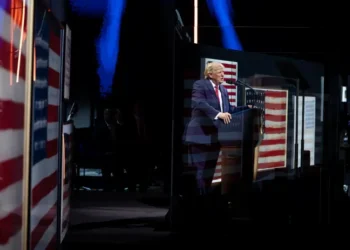
Secretary Kristi Noem announced in Houston that TSA officers who worked without pay during the Democrats’ shutdown will receive a $10,000 bonus. The payment recognizes their commitment to public safety, highlights the administration’s fiscal strategy, and underscores the officers’ essential role in maintaining uninterrupted airport operations during a prolonged political standoff.
Recognition for Extraordinary Public Service
During her remarks, Secretary Noem emphasized that TSA officers ensured America’s airports continued operating safely despite significant personal and financial stress. She highlighted that many officers showed up every day, even when paychecks stopped for more than a month. Their commitment, she argued, demonstrated a level of service that deserved both national gratitude and tangible compensation.
The bonus program underscores the administration’s intention to reward dedication. Moreover, it strategically links public recognition to the officers’ resilience during a shutdown blamed on partisan conflict. This framing has added political visibility to a workforce that typically stays outside the national spotlight, even though its responsibilities are central to daily travel.
Financial Impact on Front-Line Officers
For many TSA employees, the $10,000 bonus represents a major financial turning point. Officers in screening and deployment roles often work on modest federal salaries. Missing multiple pay periods created cascading challenges, from delayed bills to canceled life plans. The bonus helps offset those losses while signaling that leadership intends to prioritize workforce stability moving forward.
Because the payout uses carryover funds from fiscal year 2025, the administration has emphasized that the program reflects long-term fiscal planning rather than emergency spending. DHS leaders say this approach helped the agency save over $13.2 billion and made resources available for workforce support at a critical time.
Examples That Highlight the Strain
The announcement cited officers who demonstrated exceptional resilience. At George Bush Intercontinental Airport, officers stepped into double shifts, maintained perfect attendance, and in some cases postponed major life decisions because of missed paychecks.
These examples illustrate how the shutdown affected everyday workers. They also highlight why the bonus program has been presented not only as financial assistance but as a symbolic acknowledgment of loyalty during uncertainty.
Impact Areas for TSA Officers
As the bonuses roll out, officers are expected to see effects across several important areas:
Where Officers Will Feel the Greatest Benefits
- Reduced financial pressure following weeks without pay
- Renewed workplace morale due to visible recognition
How the Bonus is Distributed
According to DHS, the $10,000 payments will be delivered by direct check, arriving alongside any remaining back pay owed. Officers can expect the funds in the coming days, allowing for immediate financial relief. Because bonuses are taxable, some officers may see a slightly reduced net amount depending on their federal, state, and local tax brackets.
The agency is expected to apply standard withholding rules when issuing the payment. Although the final deposited amount may vary, the bonus still represents a significant addition to most TSA employees’ annual compensation, especially in light of the payroll stress caused during the shutdown.
Comparing the Broader Effects of the Bonus
Midway through the announcement, DHS outlined how the bonus program intersects with long-term operational goals. The comparison below summarizes the financial, institutional, and political implications of the initiative:
| Direct Impacts | Benefit to TSA Workforce | Broader DHS Outcome |
|---|---|---|
| Financial Relief | Immediate compensation for unpaid work | Improved stability among essential staff |
| Morale and Retention | Reinforces recognition of front-line service | Reduces turnover in critical airport roles |
| Political Visibility | Highlights officers’ role during shutdown | Supports DHS narrative of resilience |
A Turning Point for Workforce Stability
The TSA has long faced challenges with high turnover, recruitment pressures, and inconsistent public recognition. This bonus initiative may help shift the internal culture toward one that places stronger value on service during difficult periods.
Officers who repeatedly work through national emergencies, delays, and public tensions often seek assurances that their efforts matter beyond routine performance metrics.
Moreover, this announcement sends a broader message across the federal workforce. It signals that dedication during periods of political gridlock can yield concrete benefits. Agencies may view this as a precedent when determining how to support workers during future shutdowns or funding interruptions.
To Sum Up
As DHS distributes the bonuses, attention will turn to whether this approach shapes long-term workforce policy. Officers receiving the payments today may feel more recognized and valued, but agencies must also consider sustainable strategies for compensation, scheduling, and well-being in future disruptions.
The administration has framed the initiative as part of a broader commitment to placing American workers first. Whether the approach becomes a model for future workforce support remains to be seen, but TSA officers are already benefiting from the recognition they received for their essential service during a difficult national moment.
Sources: US Department of Homeland Security.
Prepared by Ivan Alexander Golden, Founder of THX News™, an independent news organization delivering timely insights from global official sources. Combines AI-analyzed research with human-edited accuracy and context.