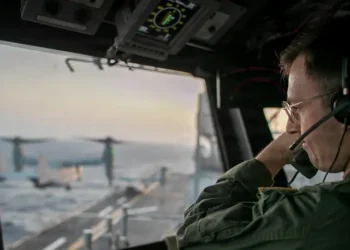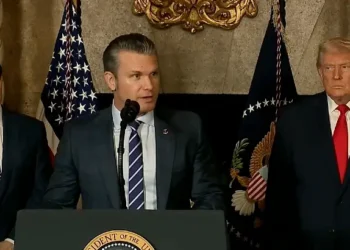

The United States and Iraq have jointly announced the timeline for concluding the Global Coalition’s military mission to defeat ISIS in Iraq. After nearly a decade of operations, the mission is set to end by September 2025.
This decision marks a significant shift in U.S.-Iraq relations, as both countries transition from military involvement to a long-term security partnership aimed at maintaining stability in the region.
U.S. and Iraq: A Strategic Shift
After years of combating ISIS, the U.S. and Iraq are transitioning away from direct military involvement. Consequently, their joint statement outlines a broader strategy of empowering Iraq’s security forces, demonstrating confidence in their ability to safeguard the nation.
The coalition’s military mission will end in Iraq, but cooperation will continue in the form of a bilateral security agreement to ensure ISIS does not regain power.
This shift comes after:
- Extensive consultations between U.S. and Iraqi military leaders.
- Nine months of strategic discussions within the U.S.-Iraq Higher Military Commission.
The aim is clear: to strengthen Iraq’s security forces so they can independently maintain pressure on ISIS.
Transition Timeline and Military Presence in Syria
While the military drawdown in Iraq will be completed by September 2025, coalition forces will remain in Syria for an additional year, until September 2026. This extension in Syria is crucial to prevent the reemergence of ISIS from its stronghold in northeast Syria. The U.S. and its coalition allies believe this will help secure long-term stability in both Iraq and Syria, ensuring the group does not regain its former strength.
Focal developments in the transition include:
- U.S. military forces will vacate several key locations in Iraq, including Ain al-Asad and Baghdad International Airport.
- Iraqi security forces will take over primary security responsibilities across Iraq.
The coalition’s ongoing mission in Syria will serve as a critical buffer, maintaining regional pressure on ISIS while Iraq’s forces continue to grow in capability.
Broader Regional Implications
This shift is likely to reverberate across the Middle East. For Iraq, the announcement is a sign of its growing confidence in handling internal security threats. The U.S., meanwhile, reinforces its commitment to supporting Iraq but without the heavy military presence seen in the past.
This balance helps the U.S. maintain a strategic foothold in the region while reducing the risk of prolonged military involvement.
Iran, a neighboring power with significant influence in Iraq, is likely to view this development with mixed reactions. While Iran may see the reduced U.S. presence as a strategic win, the ongoing cooperation between Iraq and the U.S. could remain a point of contention for Iranian-backed groups.
In short, this transition signals a new phase for Iraq, allowing it to step forward with more autonomy while still benefiting from continued U.S. support.
U.S.-Iraq Partnership: The Road Ahead
As the coalition mission winds down, Iraq and the U.S. are focused on building a bilateral security partnership that reflects mutual respect and cooperation.
This new relationship will allow Iraq to take the lead in maintaining its sovereignty, while the U.S. provides support through advisory roles and security assistance.
To protect international advisors during the transitional phase, the Iraqi government has committed to ensuring their safety under international law. This agreement also reaffirms both nations’ commitment to combating terrorism and fostering a lasting peace in the region.
Looking ahead, the U.S.-Iraq partnership will:
- Focus on long-term security cooperation.
- Strengthen Iraq’s ability to prevent the resurgence of terrorist groups.
The conclusion of the Global Coalition’s military mission marks the beginning of a new chapter in U.S.-Iraq relations, one based on trust, mutual support, and the continued fight against terrorism.
Transition Timeline |
Details |
|---|---|
| Iraq Military Transition | End of Coalition’s military mission by 2025. |
| Syria Military Presence | U.S. presence in Syria extended to 2026. |
| Future of U.S.-Iraq Relations | Bilateral security cooperation post-2025. |
This historic transition represents a major milestone, reflecting both the success of the coalition’s efforts and the improved capabilities of Iraqi forces.
As Iraq takes on more responsibility for its security, the U.S. will continue to play a supportive role, ensuring that peace and stability are maintained for the long term.
Sources: THX News, Air Force Times, VOA News, Breaking Defense & US Department of State.