
Modern naval capability and maritime security depend on sustained shipbuilding programmes that support defence readiness and industrial capacity. Major warship projects also underpin skilled employment, apprenticeships and regional economies across the United Kingdom.
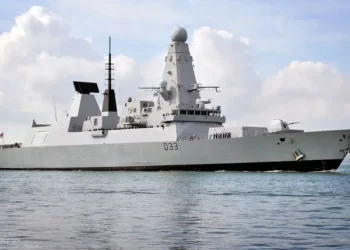
The Ministry of Defence confirmed on 24 February 2026 that HMS Active has been rolled out from Babcock’s Rosyth facility following construction, while construction of HMS Bulldog has formally begun with a steel cutting ceremony.
Both ships are part of the five-vessel Type 31 programme intended to support the Royal Navy’s future hybrid fleet. The programme sustains skilled jobs across Scotland and the wider UK supply chain and includes apprenticeship opportunities.
Shipbuilding Milestones at Rosyth
The rollout of HMS Active marks the completion of its main construction phase, after which the ship will undergo final fitting out. The steel cutting ceremony for HMS Bulldog signals the formal start of its build.
Both milestones took place at Babcock’s Rosyth facility, where thousands of shipbuilders are working on the programme. The events demonstrate progress across multiple vessels within the class.
- HMS Active rolled out following construction completion
- Steel cut for HMS Bulldog marking build start
Role in the Future Royal Navy Fleet
The Type 31 frigates will form part of the Royal Navy’s future hybrid fleet under the Strategic Defence Review. The vessels are designed to operate across a wide range of missions.
These missions include interception, intelligence gathering, defence engagement and humanitarian support. The ships are expected to operate as adaptable platforms alongside other naval assets.
- Interception and maritime security operations
- Intelligence gathering and humanitarian support roles
Economic Impact and Jobs
The programme sustains around 1,250 high-skilled jobs across the Type 31 project and a further 1,250 across the UK supply chain. The Ministry of Defence said this supports communities across Scotland and the wider UK.
Over 400 apprenticeship roles have been created through partnerships with local colleges. The programme is intended to develop skills in advanced manufacturing, engineering and maritime industries.
Industrial Investment and Shipbuilding Capability
Babcock has invested around £200 million in facilities at Rosyth, including the Venturer Building assembly hall. This facility allows the simultaneous construction of two frigates.
The investment is intended to support modern shipbuilding techniques and long-term industrial capability. It also enables large-scale naval projects to be delivered within the UK.
Export Success and International Partnerships
The Type 31 design, known as Arrowhead 140, has secured export orders from Indonesia and Poland. The Ministry of Defence said the modular design supports interoperability with allied nations.
The export success demonstrates the international interest in British-designed naval platforms. It also contributes to strengthening the UK’s shipbuilding industry.
Programme overview
| Ship class | Inspiration-class Type 31 frigates |
| Number of vessels | Five ships planned |
| Build location | Rosyth, Scotland |
| Role | Multi-mission surface combatant |
Employment and investment
| Jobs in programme | Approximately 1,250 roles |
| Supply chain jobs | Approximately 1,250 roles |
| Apprenticeships | More than 400 roles created |
| Facility investment | Around £200 million at Rosyth |
Stakeholder Comments
Ministerial Comments
Luke Pollard MP, Minister for Defence Readiness and Industry said;
“These milestones show Scottish shipbuilding at its best. From starting construction for HMS Bulldog to rolling out the impressive HMS Active, this programme is delivering world-class warships for the Royal Navy and real economic benefits for communities across Scotland and the wider UK.”
General Sir Gwyn Jenkins, First Sea Lord said;
“HMS Active’s roll-out and HMS Bulldog’s steel cut represent real momentum in delivering the ships the Royal Navy needs. These versatile frigates will be workhorses of the fleet, capable of operating across a wide spectrum of maritime operations.”
David Lockwood, CEO, Babcock said;
“Delivering the Steel Cut for HMS Bulldog and the Rollout of HMS Active on the same day is a powerful demonstration of the drive and delivery focus of our Type 31 programme as we build the next modern, future ready fleet for the Royal Navy.”
Parting Shot
The milestones at Rosyth mark continued progress in delivering the Royal Navy’s Type 31 frigates and sustaining UK shipbuilding capability. The rollout of HMS Active and the start of HMS Bulldog’s construction demonstrate activity across multiple vessels within the programme.
The ships are intended to support a range of maritime missions while maintaining skilled employment, apprenticeships and industrial investment across Scotland and the wider UK.
Sources: Ministry of Defence; Luke Pollard MP; First Sea Lord General Sir Gwyn Jenkins; Babcock.
Prepared by Ivan Alexander Golden, Founder of THX News, an independent news organisation delivering timely insights from global official sources. Combines AI-analysed research with human-edited accuracy and context.