

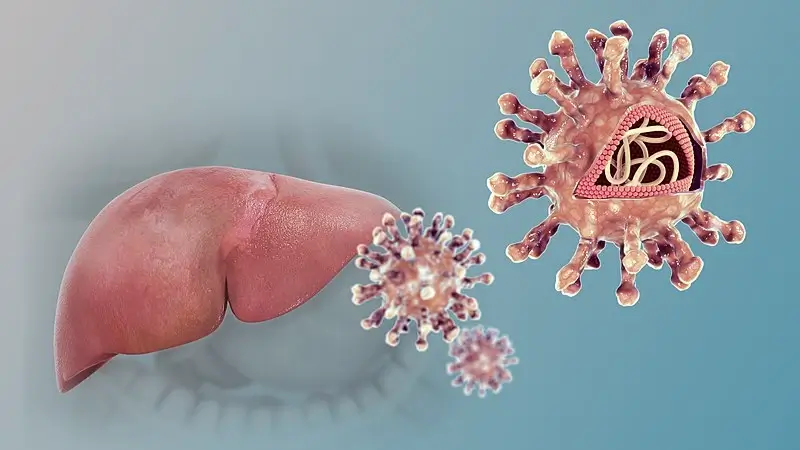
Chronic hepatitis C infections among people who inject drugs in the UK have significantly decreased over the last six years. Improved access to effective treatments has driven this progress, though challenges remain with rising needle-sharing behaviors and falling vaccination rates.
Significant Progress in Hepatitis C Elimination
Chronic hepatitis C infections among people who inject drugs have fallen from 26% in 2017 to 7.8% in 2023, according to the UK Health Security Agency.
This dramatic reduction underscores the success of direct-acting antiviral (DAA) treatments, which cure approximately 97% of treated patients. Increased testing and treatment availability have also contributed to these gains.
Despite the decline in active infections, the proportion of people who inject drugs and have ever been infected with hepatitis C has remained relatively stable over the past decade. This stability highlights the importance of continued prevention efforts to sustain progress.
Challenges and Persistent Risks
While infection rates have decreased, the prevalence of risky behaviors has risen. Needle and syringe sharing among people who inject drugs increased to 25% in 2023, up from 17% in 2014. This behavior is a key driver of hepatitis C transmission, especially among younger users and women, who are disproportionately affected.
Efforts to combat these challenges include harm reduction programs and increased education on safe injecting practices. However, these measures must be scaled up to counteract the rising trend in needle-sharing behaviors.
Declining Vaccination Rates
Another area of concern is the declining uptake of the hepatitis B vaccine among people who inject drugs. In 2023, only 62% reported receiving at least one dose of the vaccine, compared to 73% in 2014.
This decrease is particularly evident among individuals aged 25 and under and those who began injecting within the last three years. Maintaining high vaccination rates is essential to prevent the spread of hepatitis B and other bloodborne infections.
Access to Testing and Treatment
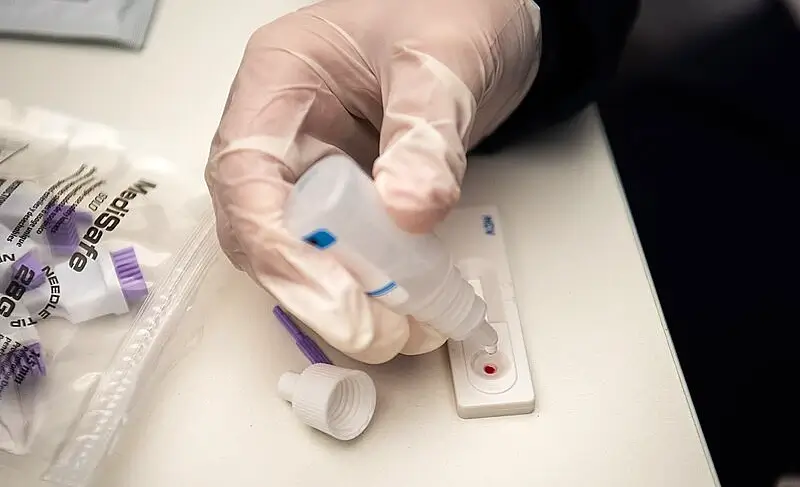
Testing for hepatitis C is free and widely available through general practitioners, sexual health clinics, and drug treatment services.
Home testing kits, such as finger-prick tests, provide an accessible option for individuals who may be hesitant to seek in-person care.
Regular testing is critical to identifying infections early, enabling timely treatment and reducing the risk of further transmission. Public health campaigns emphasize the importance of testing, particularly for individuals at higher risk due to their injecting practices.
Broader Public Health Implications
In addition to hepatitis C, the UK Health Security Agency has reported stable levels of HIV prevalence among people who inject drugs over the past decade.
This trend reflects the success of harm reduction strategies and widespread HIV testing, which increased by 39% over the same period.
However, these successes should not lead to complacency. Falling vaccination rates and increasing needle-sharing behaviors highlight the need for a comprehensive approach to addressing bloodborne infections. Coordinated efforts must prioritize prevention, testing, and treatment to sustain progress.
Decline in Chronic Hepatitis C Among People Who Inject Drugs
| Year | Chronic Hepatitis C Prevalence | Hepatitis B Vaccination Uptake |
|---|---|---|
| 2014 | 26% | 73% |
| 2017 | 18% | 68% |
| 2023 | 7.8% | 62% |
Stay Informed and Tested
The decline in chronic hepatitis C infections among people who inject drugs marks significant progress toward eliminating the virus as a public health threat. However, ongoing challenges such as rising needle-sharing rates and declining vaccination uptake must be addressed.
If you’re at risk or concerned about hepatitis C, testing is free and accessible. Visit your GP, a sexual health clinic, or explore home testing options to learn more.
Further information and resources are available through public health organizations and the Hepatitis C Trust quiz.
Sources: THX News, The Report, National Library of Medicine, Aids Map, EUDA & UK Health Security Agency.