
EU Ambassador Jorge Toledo opened the EU China media salon in Beijing with remarks on how social media China shapes daily life and public conversation.
He spoke to journalists, academics, and diplomats, highlighting EU China dialogue on transparency, rights, and media exchange Europe in a fast-changing digital culture China landscape.
Bringing European and Chinese Media Together
The EU China media salon took place on 29 January 2026 at the EU Delegation in Beijing, drawing more than 120 participants from journalism, academia, and EU Member State diplomatic missions.
Additionally, more than 25,000 viewers followed the discussions online, showing broad interest in social media China and its growing role in public communication. As a result, the event reinforced EU China dialogue through open professional exchange.
H.E. Jorge Toledo, Ambassador of the European Union to China, opened the session by describing social media China as an essential part of daily life. Moreover, he noted that the platforms serve as tools for communication, entertainment, and information, while also presenting regulatory and ethical questions that matter to both Europe and China. The remarks framed the day around media exchange Europe and shared digital responsibilities.
- Participants: journalists, academics, EU diplomats, and communications professionals from Europe and China.
- Focus: discussion of social media China trends and digital culture China in public communication.
- Format: in-person panels supported by live online streaming to expand EU China dialogue.
Panel on “Rhythms of China’s Social Media”
The flagship panel, titled “Rhythms of China’s Social Media,” explored how platforms influence storytelling and public trends. Meanwhile, speakers examined how digital culture China is shaping audience behaviour and content formats across online communities. The discussion connected European perspectives with on-the-ground experience, strengthening media exchange Europe.
Panelists included Manya Koetse, founder of What’s on Weibo and Eye on Digital China, Xuezi Zhang of DFC Studio, and university lecturer and creator Eloise Wu. Furthermore, Bloomberg reporter Colum Murphy moderated the session, guiding a conversation that linked professional media practice to the wider EU China dialogue on transparency and trust.
Media Salon Participation Snapshot
| Indicator | Detail |
| Location | EU Delegation, Beijing |
| Date | 29 January 2026 |
| In-person attendees | 120+ |
| Online viewers | 25,000+ |
Professional Exchange and Networking
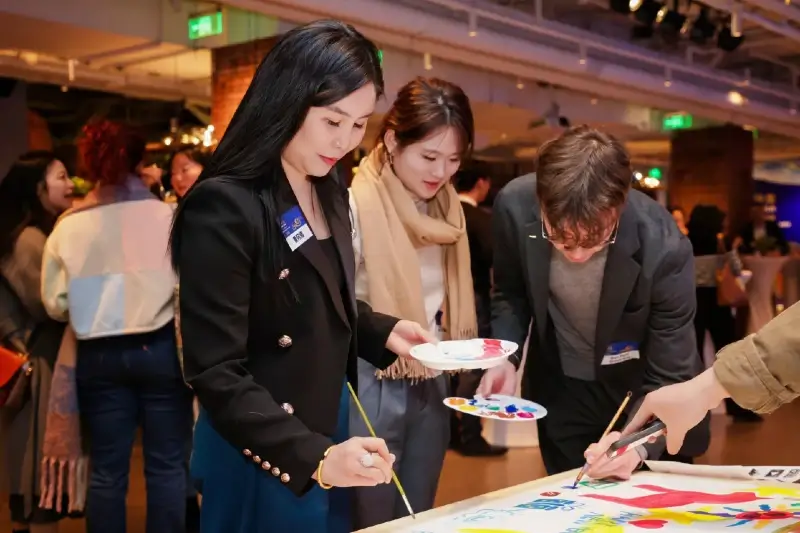
Beyond formal panels, the EU China media salon offered extended networking and interactive activities. Additionally, participants used these sessions to build professional links and explore future cooperation in reporting and research. The informal setting encouraged honest discussion around social media China and the pressures facing journalists and creators.
Moreover, organisers highlighted the role of digital culture China in shaping cross-border understanding. By bringing together European and Chinese voices, the event supported media exchange Europe and helped deepen EU China dialogue in a practical, people-to-people context.
EU Perspective on Regulation and Rights
In his remarks, Ambassador Toledo described how the European Union approaches online communication with a focus on user empowerment and transparency. Furthermore, he referenced the need to safeguard individual rights while addressing challenges such as privacy and disinformation, themes that resonate across social media China and European platforms alike.
As a result, the salon positioned the EU China media salon as a space for balanced discussion rather than advocacy. The emphasis on open dialogue and shared professional standards reflected a broader commitment to media exchange Europe and sustained EU China dialogue in the digital age.
The Final Word
The EU China media salon in Beijing brought together journalists, academics, and diplomats to examine how social media China influences communication and culture. Through panels and networking, the event supported media exchange Europe and encouraged practical EU China dialogue around transparency and professional standards.
Additionally, the discussions highlighted how digital culture China and European perspectives can inform each other. By maintaining open channels between media communities, the salon reinforced a shared interest in understanding the evolving digital public sphere.
Sources: European External Action Service, and the Council of the European Union.
Prepared by Ivan Alexander Golden, Founder of THX News, an independent news organization delivering timely insights from global official sources. Combines AI-analyzed research with human-edited accuracy and context.