Global commodity prices surge amid conflict as World Bank reports supply chain disruption impacting energy and agriculture markets
The World Bank Group has reported that the ongoing conflict in the Middle East is driving sharp increases in global commodity prices and disrupting logistics, with emerging markets already experiencing rising costs across energy and agricultural inputs.
Commodity price increases linked to conflict
The World Bank Group reported that crude oil prices increased by nearly 40 percent between February and March, while liquefied natural gas shipments to Asia rose by almost two-thirds. Additionally, nitrogen-based fertilizer prices increased by nearly 50 percent in March, reflecting broad-based pressure across key commodities.
Meanwhile, these price movements signal rapid transmission of geopolitical disruption into global markets, particularly in energy and agriculture. The scale of increases suggests tightening supply conditions, which are already affecting production costs and pricing structures in multiple regions.
| Indicator | Recent Movement | Context |
|---|---|---|
| Crude oil prices | +40% (Feb–March) | Increase linked to Middle East conflict and supply disruption, reported by World Bank Group |
| LNG shipments to Asia | +~66% | Rising demand and constrained shipping routes impacting pricing, according to World Bank Group |
| Nitrogen fertilizers | +~50% (March) | Cost pressures spreading into agriculture inputs due to energy-linked supply disruption, World Bank Group data shows |
Supply chain disruption spreads across sectors
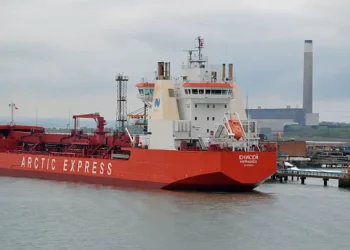
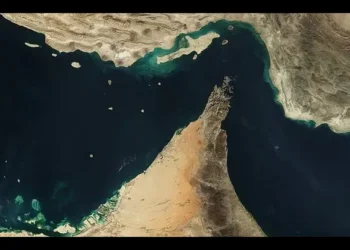
The World Bank Group stated that shipping route disruptions are increasing logistics costs and creating supply risks across multiple sectors. Energy supply constraints are now extending into fertilizers and other critical agricultural inputs, reflecting interconnected supply chains.
Additionally, rising transport costs and delays are compounding price pressures, particularly in regions dependent on imports. This creates a cascading effect, where disruptions in one sector amplify cost increases in others, increasing overall economic strain.
Effects on emerging markets and global economy
The World Bank Group confirmed that several client countries in emerging markets have already reported challenges linked to rising commodity prices and logistics disruptions. These pressures are increasing fiscal strain and affecting economic stability in vulnerable regions.
However, the transmission of higher input costs into domestic economies may also contribute to inflationary pressure and reduced growth prospects. This reflects a broader pattern where external shocks translate into domestic economic constraints, particularly in import-dependent economies.
World Bank response and financial support tools
The World Bank Group stated it is working with governments, private sector partners, and regional stakeholders to respond to the evolving situation. The institution indicated it is prepared to deploy financial support, including liquidity, trade finance, and working capital through its private sector arms.
Meanwhile, the World Bank Group noted it will utilise existing crisis response mechanisms and financing facilities to provide immediate relief. These measures aim to stabilise affected economies while supporting longer-term recovery and growth.
Outlook as conflict continues
The World Bank Group stated that the situation remains uncertain, with potential for further disruption depending on the duration and severity of the conflict. Continued damage to critical infrastructure could increase the scale of economic impact across global markets.
Additionally, prolonged instability may deepen supply chain disruptions and sustain elevated commodity prices, increasing pressure on both developed and emerging economies. This highlights the sensitivity of global markets to geopolitical events and infrastructure stability.
In Conclusion
The World Bank Group’s assessment indicates that the conflict in the Middle East is already producing measurable impacts across global commodity markets and supply chains. The reported increases in energy and agricultural input prices demonstrate how quickly geopolitical disruptions can translate into economic pressure.
While financial support mechanisms are being prepared, the extent of the impact will depend on how the situation evolves, with prolonged disruption likely to intensify challenges across multiple sectors.
Sources: World Bank Group.
Prepared by Ivan Alexander Golden, Founder of THX News, an independent news organization delivering timely insights from global official sources.
Research combines AI-assisted analysis with human-edited accuracy and context.